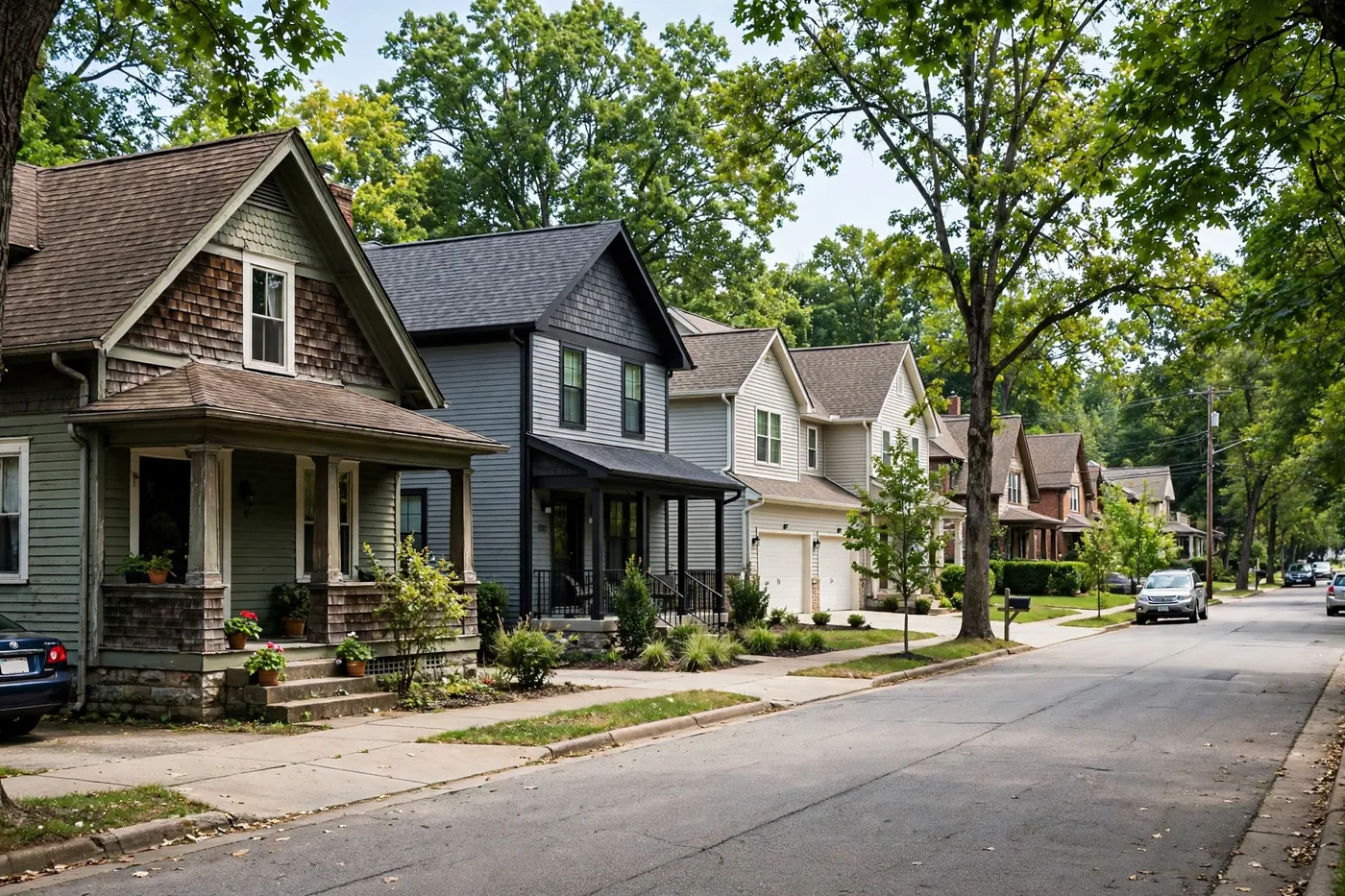
Roof leak repair in Midtown East, Owensboro is often a story of two roofs on one house. This part of town mixes postwar homes with later infill and additions, and a single property can carry an original roof section, a newer addition, and a garage tie-in, each built in a different era with different flashing habits. Where those sections meet, the seams work harder than anywhere else on the roof, and they are where water most often gets in.
The homes here are neither as old as downtown's nor as uniform as a new subdivision's, which makes a blanket guess about the cause unwise. A stain might trace to a valley on the original roof, a skylight on the addition, or the flashing where the two meet. If water is showing up, call now and note which rooms are affected and what weather brought it on. Those two details narrow the search more than any guess from the ground.
Old Roofs, New Additions, and the Seams Between Them
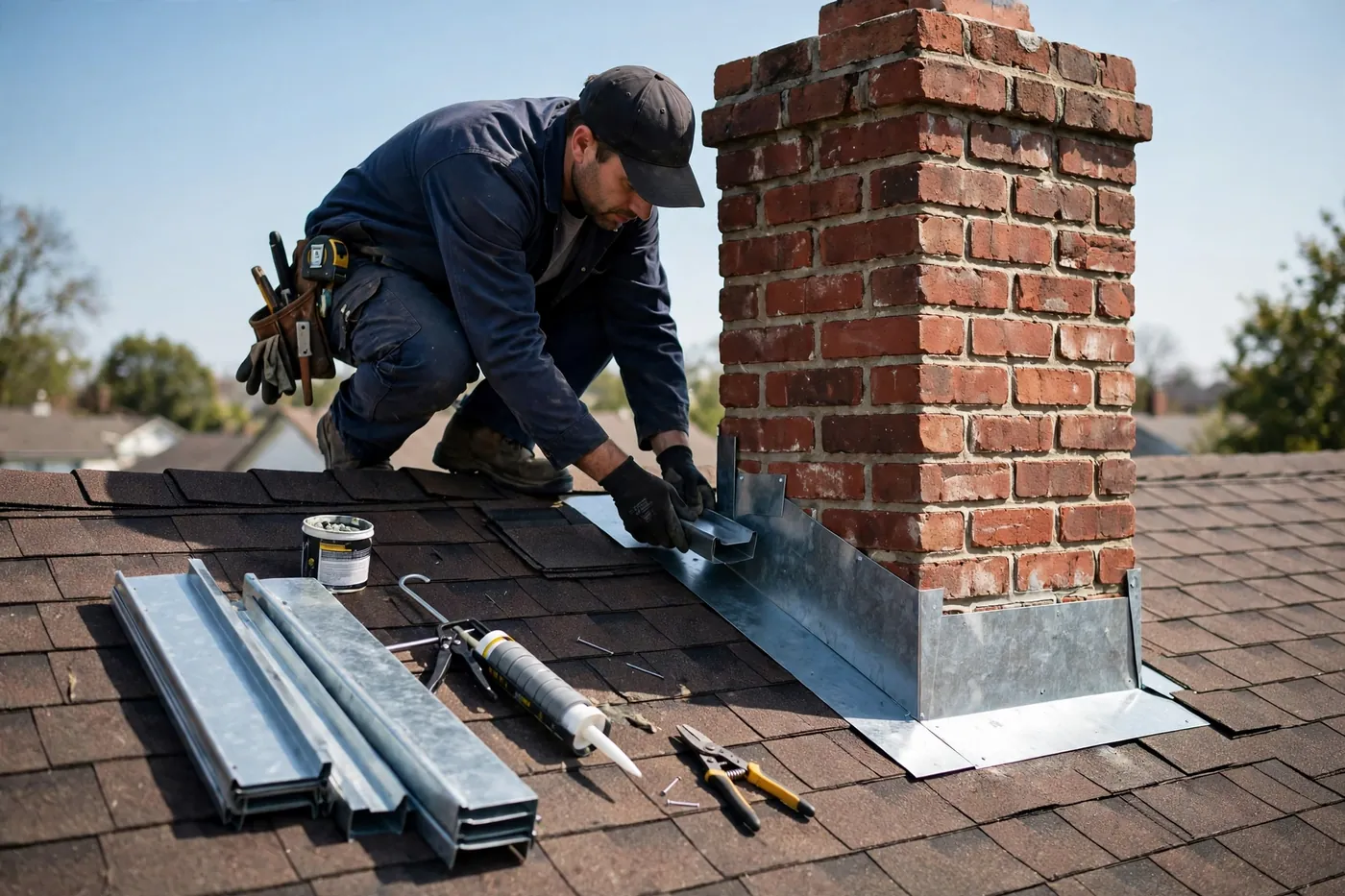
Midtown East roofs reward a close look at their seams. Postwar homes here often have simpler, steeper roofs than newer builds, while additions bring lower slopes, flat sections over porches or garages, and skylights that the original house never had. Each of those features is a joint, and the joint where an addition meets the original wall is the most worked-over spot on the whole roof, because two roof planes, two ages of flashing, and two drainage patterns all converge there.
Flat and low-slope sections deserve attention of their own. Water moves slowly off a low slope, so a small weakness in flashing or a seam that would shed fine on a steep roof can pond and seep on a flat one. Leaves and debris make it worse by holding water in place. A leak over a garage or a rear room in Midtown East often begins on one of these low sections rather than on the main roof at all.
- Addition seams join two roof eras and two drainage patterns
- Low-slope porch and garage sections shed water slowly
- Skylights on additions add joints the original roof lacked
- Debris on flat sections holds water against seams
Follow the Damp Line, Not the Stain
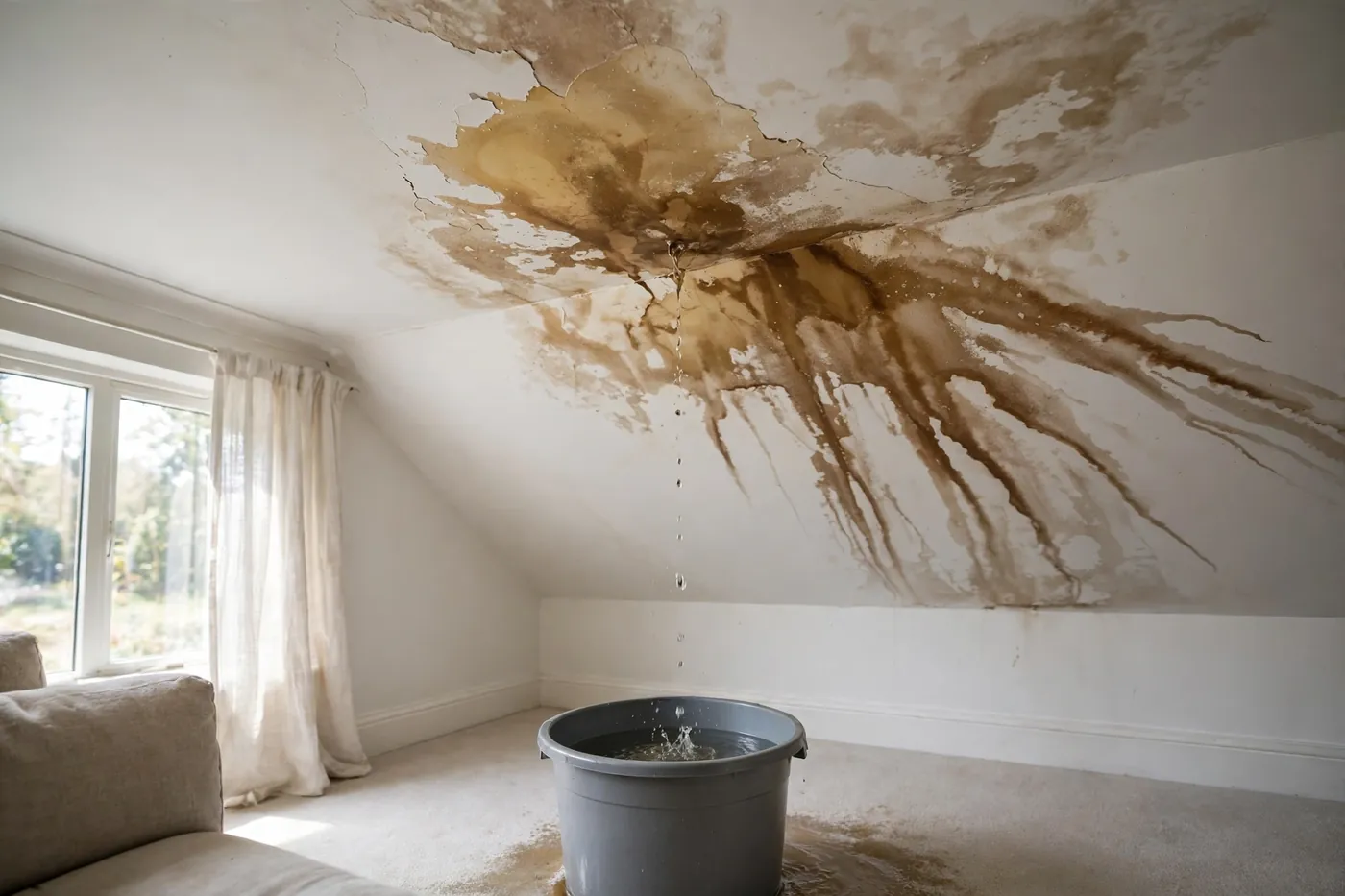
As with most Owensboro leaks, the stain is an unreliable guide to the source. Water that enters at an addition seam or a skylight flashing runs downhill along decking and rafters before it finds a gap to drop through, so the ceiling stain can sit well away from the opening, sometimes over a room that has no roof joint above it at all. Patching the ceiling, or replacing shingles over the stain, leaves the real opening untouched and the leak returns with the next heavy rain.
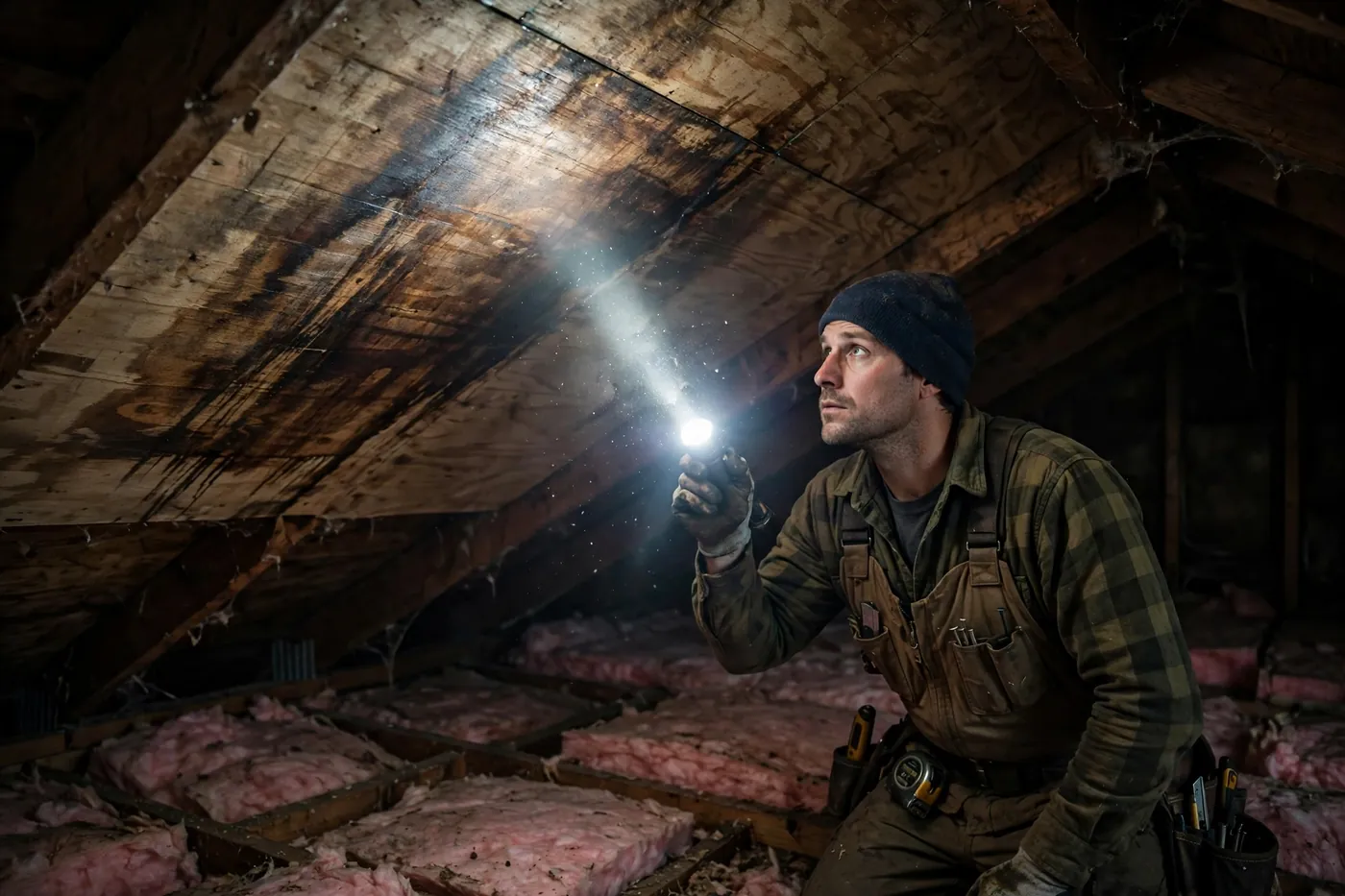
An attic check that follows the damp line uphill is what places the repair. Darkened decking, wet insulation, and a line of staining that runs toward a seam or a skylight all point to the right spot, and the repair belongs there. That uphill walk is the difference between one repair and a series of them.
- Water travels along decking and rafters before it drips
- Addition seams can send stains into neighboring rooms
- Attic damp lines run uphill to the true opening
- Repairs at the opening hold; patches at the stain do not
Storms, Humidity, and Two Kinds of Dampness
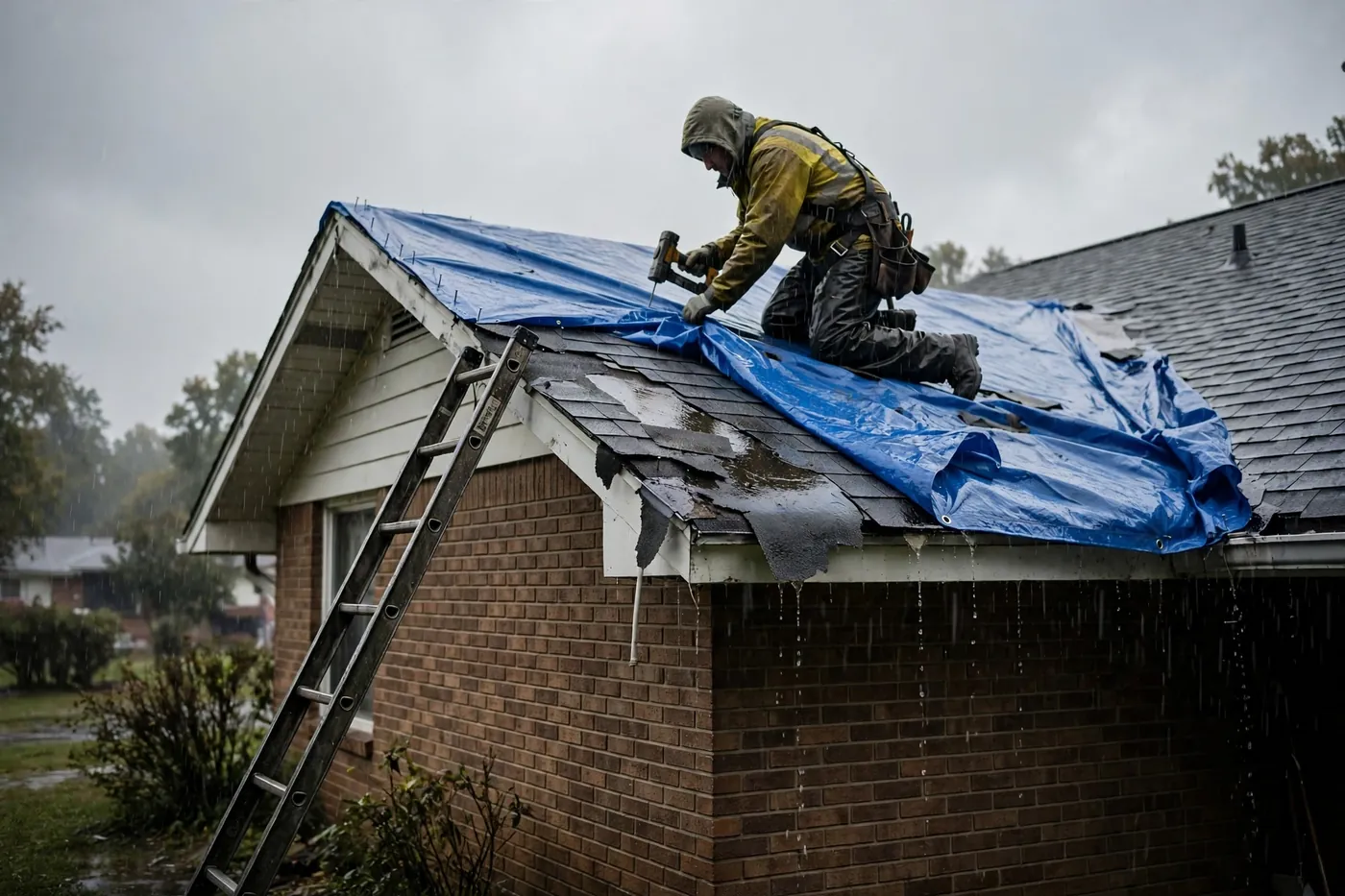
December and January storms test Midtown East roofs the way they test the rest of Daviess County, with wind-driven rain reaching joints that calm rain never touches. A leak that appears only in certain storms usually points to a wind-facing seam or skylight corner, and noting which storms bring it back is genuinely useful information for whoever traces it.
Humidity adds a second suspect in winter. Owensboro sits in the Green River region near the Ohio River, and warm, moist indoor air that reaches a cold attic can condense on decking and drip onto insulation, mimicking a leak on mornings without rain. Ventilation and air sealing at the ceiling line cut that risk, and a check that compares storm timing with cold-morning timing keeps the two problems from being confused.
- Wind-driven winter rain reaches joints calm rain misses
- Storm-only leaks point to a wind-facing seam
- Condensation drips on cold mornings without rain
- Ventilation and ceiling sealing reduce condensation
First Steps After a Leak, and What Shapes Cost
Move furniture and valuables out from under the drip, catch the water, and photograph the stain with part of the surrounding ceiling visible. Note the weather, whether the dampness has returned before, and whether it sits near an addition or a skylight. If the attic is safe to enter, look for the damp line and where it heads. Stay off the roof when it is wet. Call now with those notes and the repair can be planned around the source.
Repair scope in Midtown East follows what the check finds: how large the damaged area is, whether decking or flashing must be replaced, how many roof sections and slopes are involved, and whether structural work falls under Owensboro Metropolitan Planning Commission permit rules. Work matched to NRCA and ARMA guidance, with wind resistance standards such as ASTM D7158 considered where they apply, is fitted to the particular mix of old and new roof on the house, not to a one-size repair.
- Protect belongings, catch the drip, and photograph the stain
- Note weather, timing, and whether an addition is nearby
- Scope depends on damage size, sections involved, and access
- Permit rules and material standards shape the final job